
Prophet Comparison – Context Guide
What each book emphasizes & where to find it
What each book emphasizes & where to find it
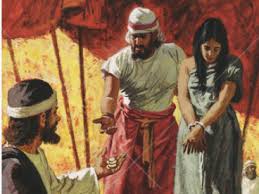
Hosea: Look for infidelity, which is compared to a broken marriage; people turn to idols rather than God (ch. 1-3).
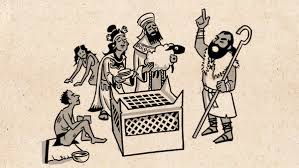
Amos: Seek for instances of community injustice, such as mistreating poor people while upholding religious customs (5:11–12).
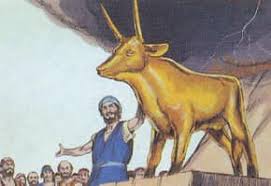
Joel: In times of crisis, watch out for spiritual carelessness and a failure to seek God (1:2–4).
Obadiah: Keep an eye out for acts of aggression against a brother nation and national pride (vv. 3–4, 10).

Jonah: Look for disobedience and lack of compassion, especially from God's messenger (1:1–3; 4:1–2).
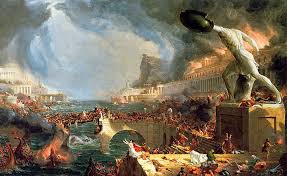
Nahum: Seek for the brutality, aggression, and power of a strong kingdom (3:1–4).
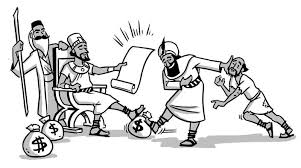
Micah: Identify acts of social injustice and corruption in leadership with specific attention to those who are poor and oppressed (2:1-2; 3:1-3).
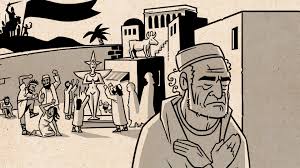
Habakkuk: Identify violence and injustice versus why should God permit evil during this time period of hardship (1:2-4).
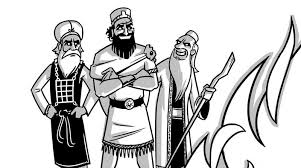
Zephaniah: Identify instances of idolatry, pride, and immoral behavior existing in Judah (1:4-6).
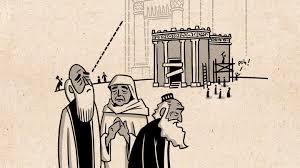
Haggai: Be on the lookout for spiritual neglect/ misplaced priorities– people are more concerned with their own lives than spending time in/ around God’s house (1:4).
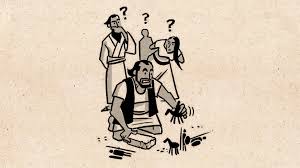
Zechariah: Be on the lookout for spiritual apathy and hypocrisy, particularly by those in leadership positions (7:4-6).
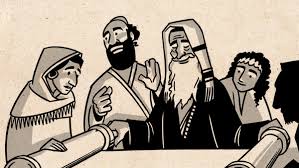
Malachi: Be on the lookout for religious indifference (dishonoring God through carelessness in worship) (1:6-8).
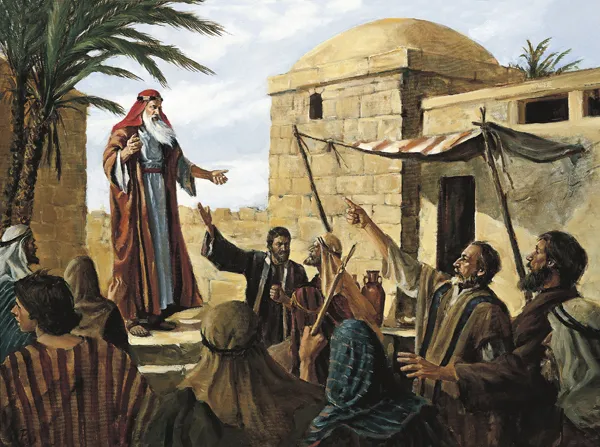
Hosea: Judgment is captured as exile and the removal of blessings, but not complete doom (9:3–6).
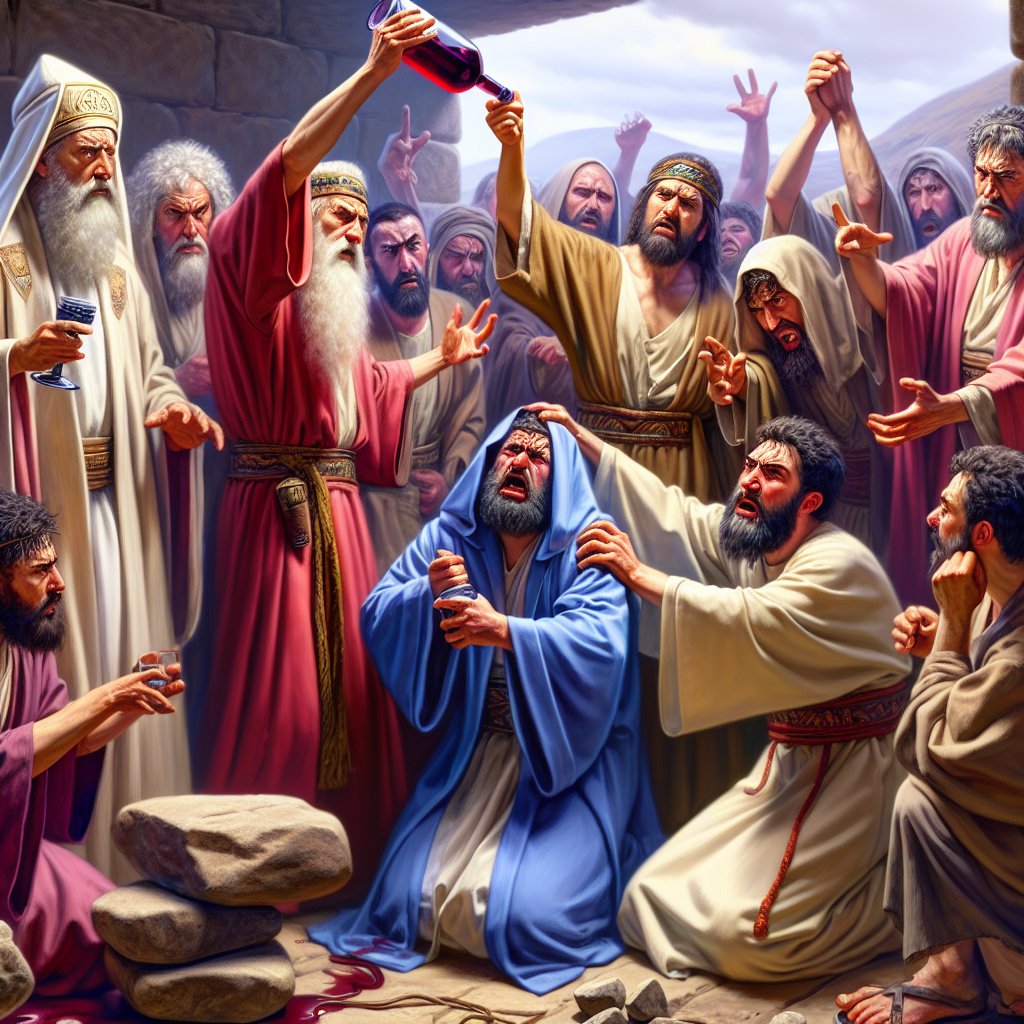
Amos: According to God, religious deeds will not escape the inevitable judgment (5:18–20).
Joel: Natural disasters serve as a picture for judgment and "the Day of the Lord" (2:1–11).
Obadiah: Edom is proclaimed to be completely destroyed and humiliated (vv. 15–16).
Jonah: God's authority over nature and the impact of disobedience serve as examples of judgment (1:4–17).
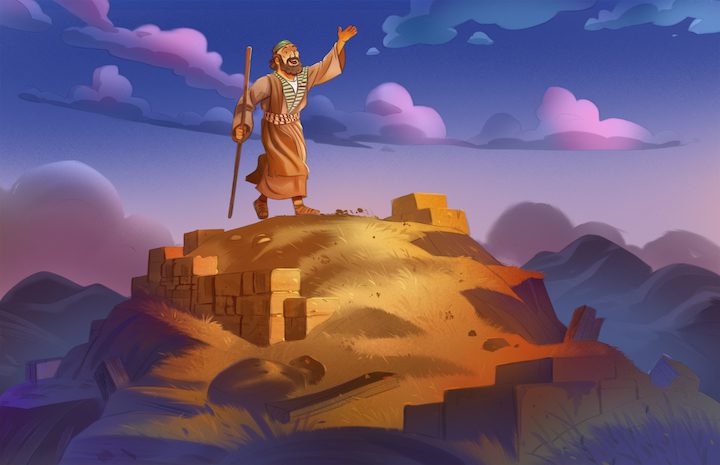
Nahum: Nineveh will undoubtedly face judgement and total devastation (1:8; 3:19).
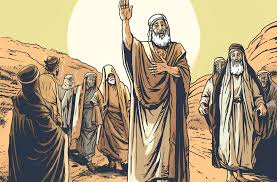
Micah: According to God, Jerusalem is to be destroyed due to its wickedness (3:12).
Habakkuk: God warns that Babylon will destroy the Israelites but this is uncomfortable for the prophet (1:6).
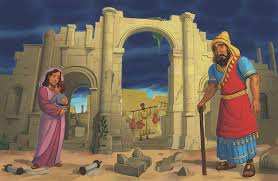
Zephaniah: Judgment is described as “The Day of the Lord” and will be incredibly horrific (1:14-18).
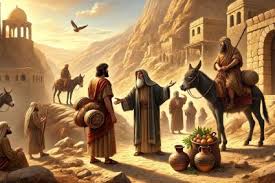
Haggai: There is a warning from God regarding disobedience causing a lack of blessing (1:9-11).
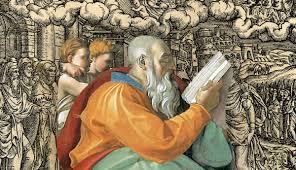
Zechariah: Discipline and refining will result in judgement, but will not result in complete destruction (13:8-9).
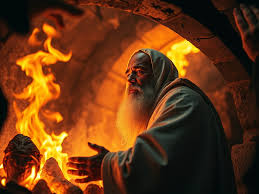
Malachi: God will judge the unfaithful and unjust (3:5).

Hosea: Restoration imagery: Following repentance, God mends and rebuilds relationships (14:1-4).
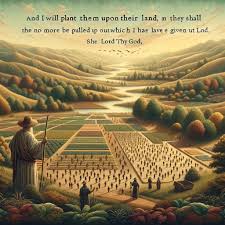
Amos: A brief message of hope: God keeps the last days alive (9:11–15).
Joel: Following repentance, God promises restoration and the outpouring of His Spirit (2:12–13, 28–29).
Obadiah: God's justice implies mercy, but it isn't made clear to Edom.

Jonah: God is merciful to sinners who turn from their sins, including rivals (3:10).

Nahum: God is a place of refuge for those who trust Him (1:7), which is an indirect way of expressing hope.
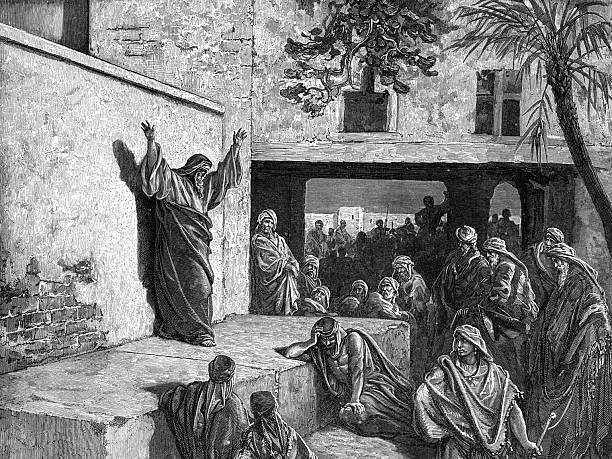
Micah: Hope for a future peace and the ability to restore Israel under God's leadership (4:1-4).
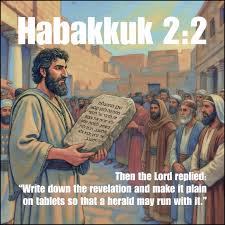
Habakkuk: Faith and trust in God can help to provide a sense of hope and comfort during times of trial or pain (2:4).
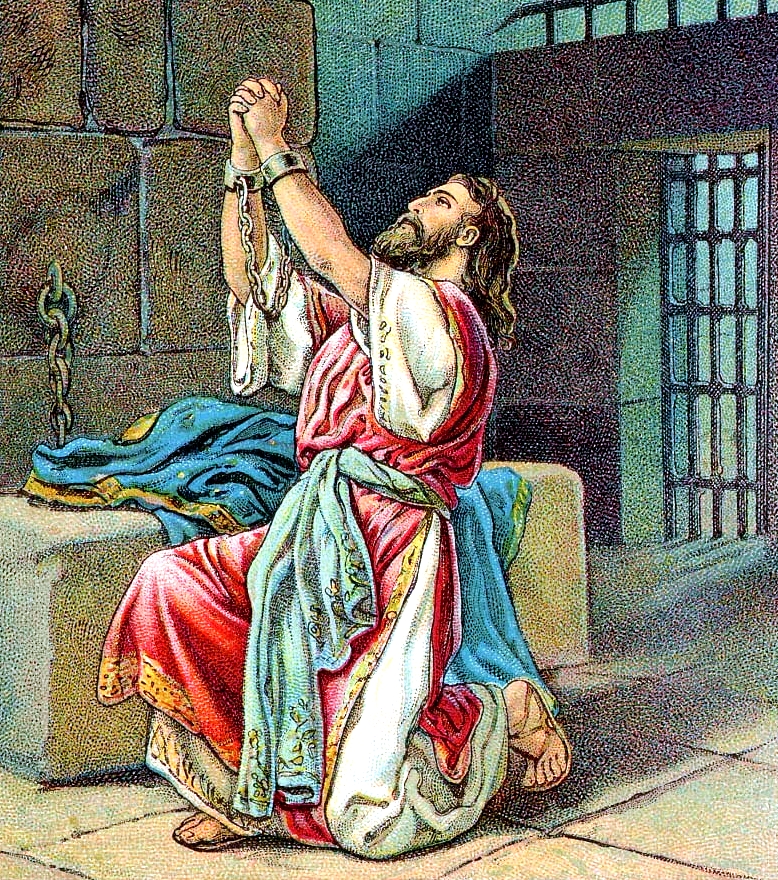
Zephaniah: The Lord has promised to bring about restoration to His faithful remnant (3:9–13).

Haggai: The Lord has promised renewed blessings when His people obey Him (2:18–19).
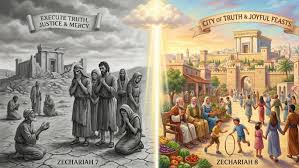
Zechariah: Messianic hope is expressed through the prophetic promise that God will restore His people and dwell among His people (8:3; 9:9).
Malachi: A messenger will be sent to heal those who believe (3:1, 4:2).
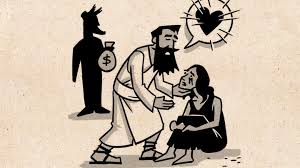
Hosea: Even being deceived, God remains patient, loving, and faithful (11:1-4).
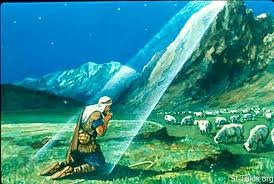
Amos: God rejects meaningless worship because he is just and righteous (5:24).

Joel: God is merciful, kind, and patient (2:13).
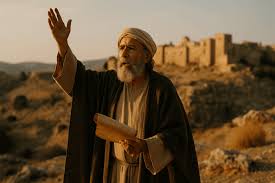
Obadiah: According to verse 15, God is the ultimate judge of all nations.
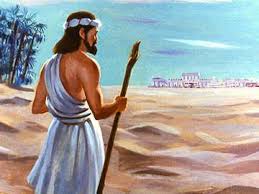
Jonah: Even in the face of adversaries, God is kind and compassionate (4:2).

Nahum: God is strong, just, and does not submit to wickedness (1:2-3).
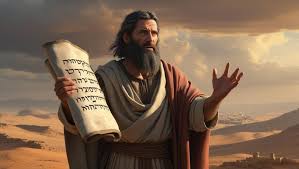
Micah: God wants us to be righteous and gives us justice, mercy, and loyalty (6:8).
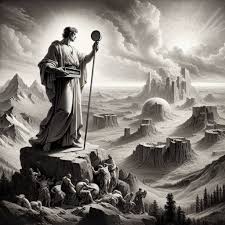
Habakkuk: God has all authority over creation and does not act unjustly, even if His actions are difficult to understand (2:20).
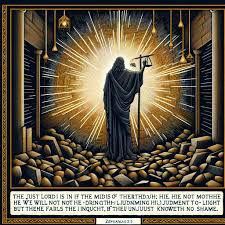
Zephaniah: God is completely holy and powerful; He will show mercy to those who are humbled (3:17).
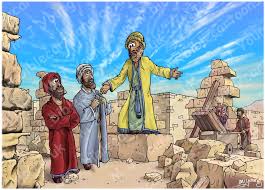
Haggai: "God displays His faithfulness and responds to His people by giving them confidence through His work. (1:13)
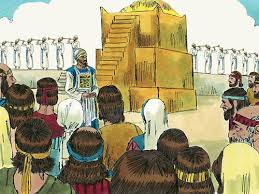
Zechariah: God's patience, faithfulness, and desire to redeem the entire world means He has a purpose for history. (4:10)
Malachi: God's unchanging nature and faithfulness requires that we give Him honor and obey Him. (3:6)
Hosea: People must turn back to God in a real manner, not merely on the outside (6:1–3).
Amos: People must genuinely seek God, act justly, and pursue goodness (5:14–15).
Joel: Repentance requires sincere hearts, not just procedures (2:12).
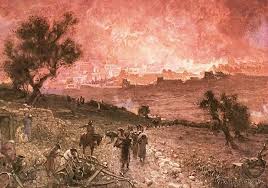
Obadiah: Nations are responsible for their treatment of other people (v. 10).
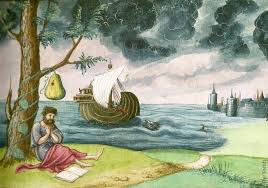
Jonah: God's followers are required to share His mercy and respond to His summons (1:3; 4:11).
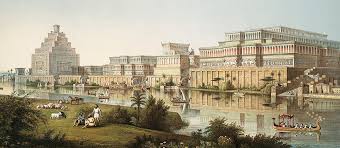
Nahum: Rather of being afraid of wicked forces, people are exhorted to trust God's justice (1:7).
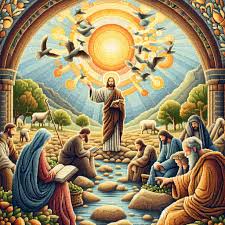
Micah: The Lord requires people to do what is just, love mercy, and act justly. (6:8)"
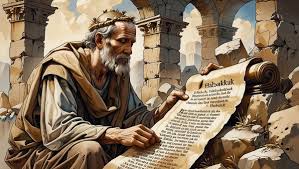
Habakkuk: The Lord encourages us to live in a state of faith, rather than of fear (2:4).
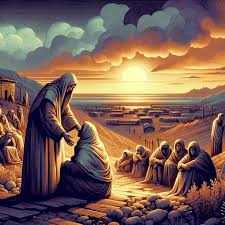
Zephaniah: We need to have a desire for humility and to live righteously (2:3).
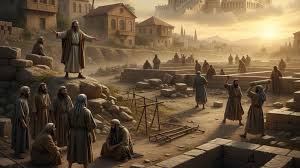
Haggai: The Lord commands His People to put God first, obey God's commandments (1:8).
Zechariah: We are called to return unto the Lord and live with Faithfulness (1:3).
Malachi: The Lord calls upon His People to Worship Him, Obey Him and Commit to Him (3:7).
Through these twelve prophets, God exposed sin to the world and warned the world of the coming judgment and also provided the opportunity to repent for sin before the judgment occurred. For those who sincerely repent from their sin, God shows mercy and restores them. However, for those who continue to sin without repentance, judgment is assured. These twelve prophets highlight God's love through the willingness to forgive the sinner and also His righteousness through the conviction of sin and punishment of sin.
In every one of the Minor Prophets' messages, God makes a point of exposing the sins of His people and encouraging them to repent prior to issuing judgment. He warns them that the continued disobedience to His commandments will result in punishment, thereby demonstrating His holiness and justice. When His people sincerely seek His forgiveness and restoration, God will respond with mercy towards them. However, once a people rejects the call to repentance, they can be assured that judgment will come; it will be unavoidable and certain. Taken collectively, these writings clearly indicate that God can be both patient and steadfast in maintaining the balance between His mercy and justice.
This timeline shows the approximate writing dates of the Minor Prophets, spanning from the 9th to the 5th century BC.
The prophets often addressed similar themes and sometimes referenced each other. This chart shows the interconnected nature of their messages.
A concise overview of the six prophets: Hosea, Amos, Joel, Obadiah, Jonah, and Nahum, highlighting their key themes.

We hope this journey through the Minor Prophets has been enlightening and inspiring.
Help us improve by sharing your thoughts about this interactive guide.
Come back anytime to deepen your understanding of God's Word through these ancient prophetic voices.